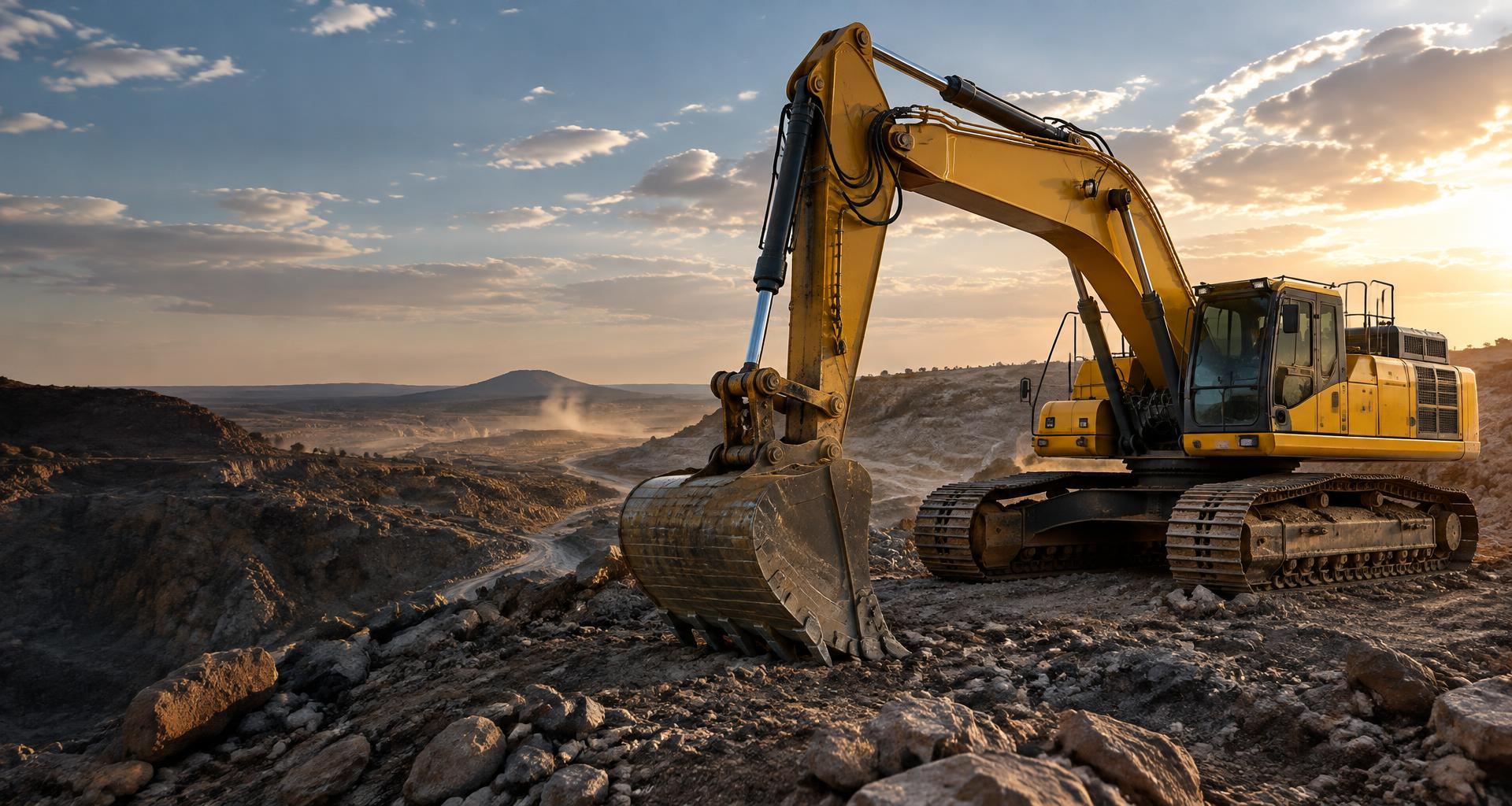
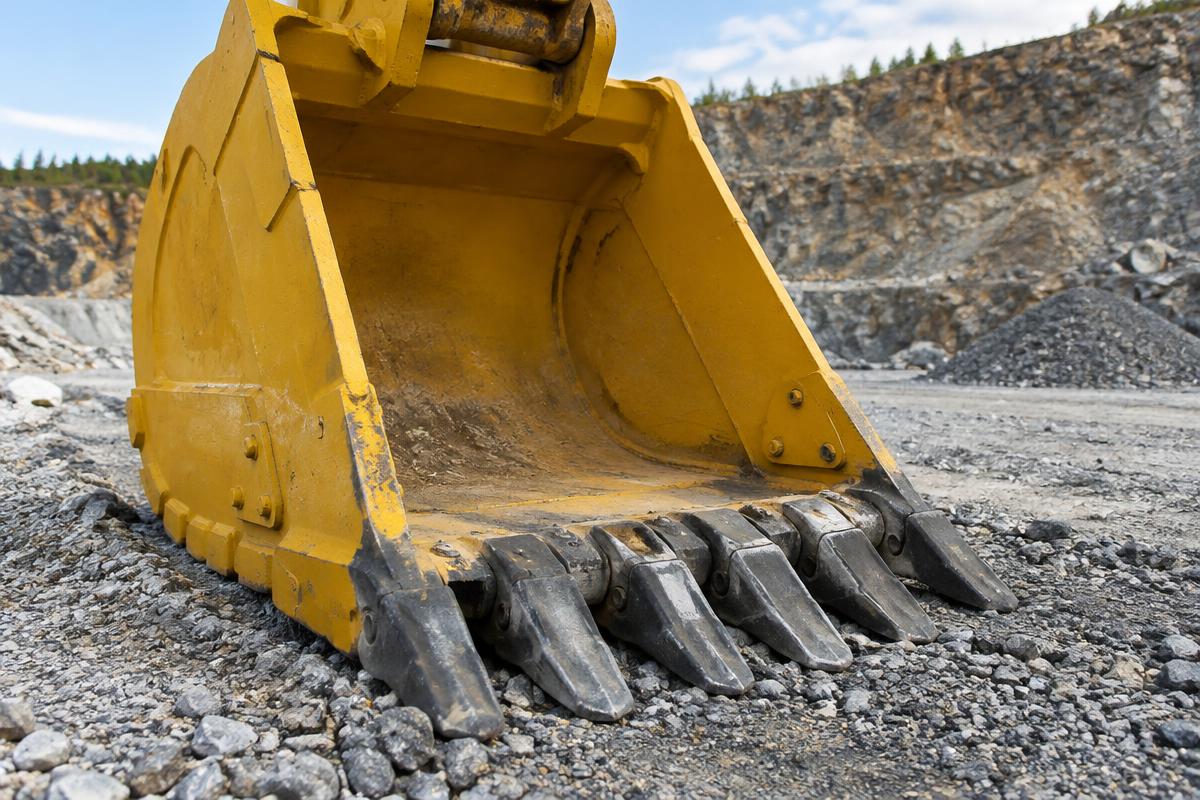
Bucket teeth are the first point of contact with the ground. The best choice balances penetration, abrasion resistance and compatibility with your bucket system.
01 / Start with ground conditions
Soft soils, mixed rock and abrasive quarry material make different demands on a tooth profile. Select a profile suited to the application rather than simply the heaviest available option.
- Assess abrasion and impact separately.
- Consider penetration needs and machine capacity.
- Inspect adapters before fitting new teeth.
02 / Confirm the mounting system
Teeth, adapters and retaining hardware must work as a matched system. Use the part number or verified dimensions and machine details to avoid an incorrect fit.
- Check adapter condition.
- Use the specified retaining hardware.
- Never weld or modify teeth without manufacturer approval.
Good maintenance starts with a clean inspection, reliable measurements, and the right parts for the machine.
Inspection reference
| Component | Record during inspection | Reference |
|---|---|---|
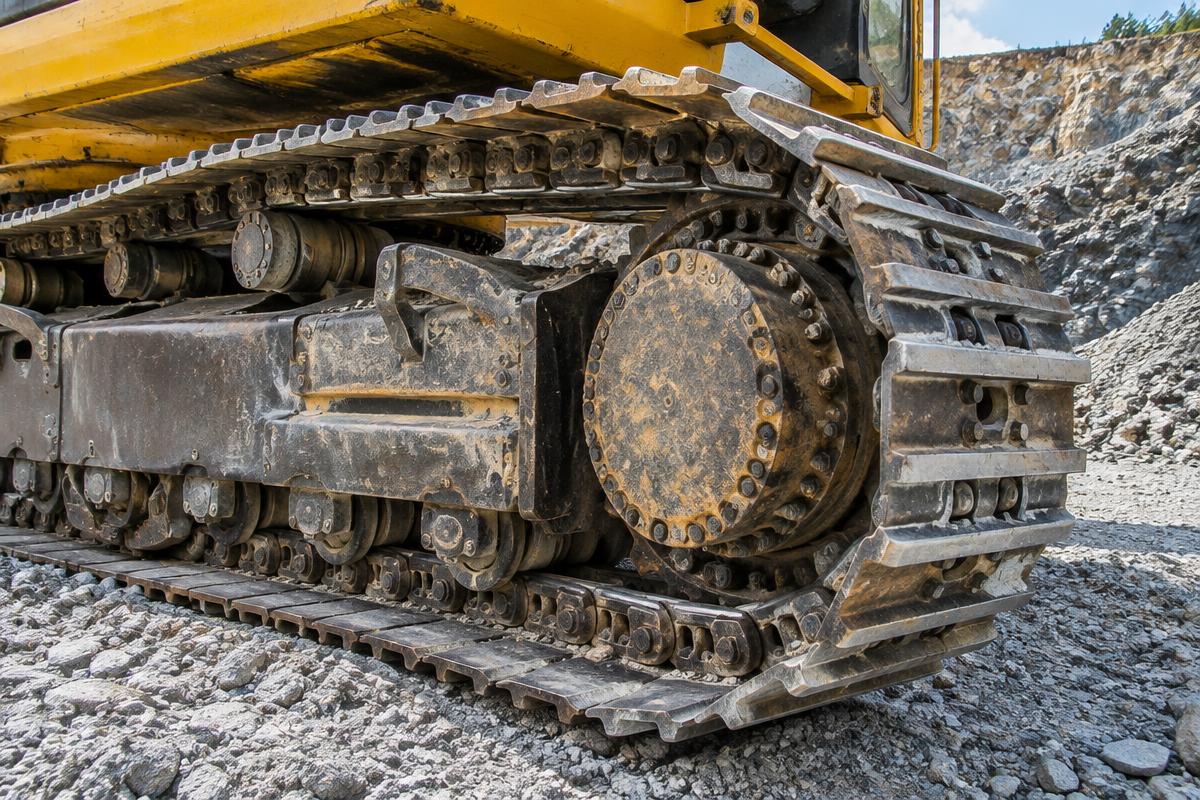
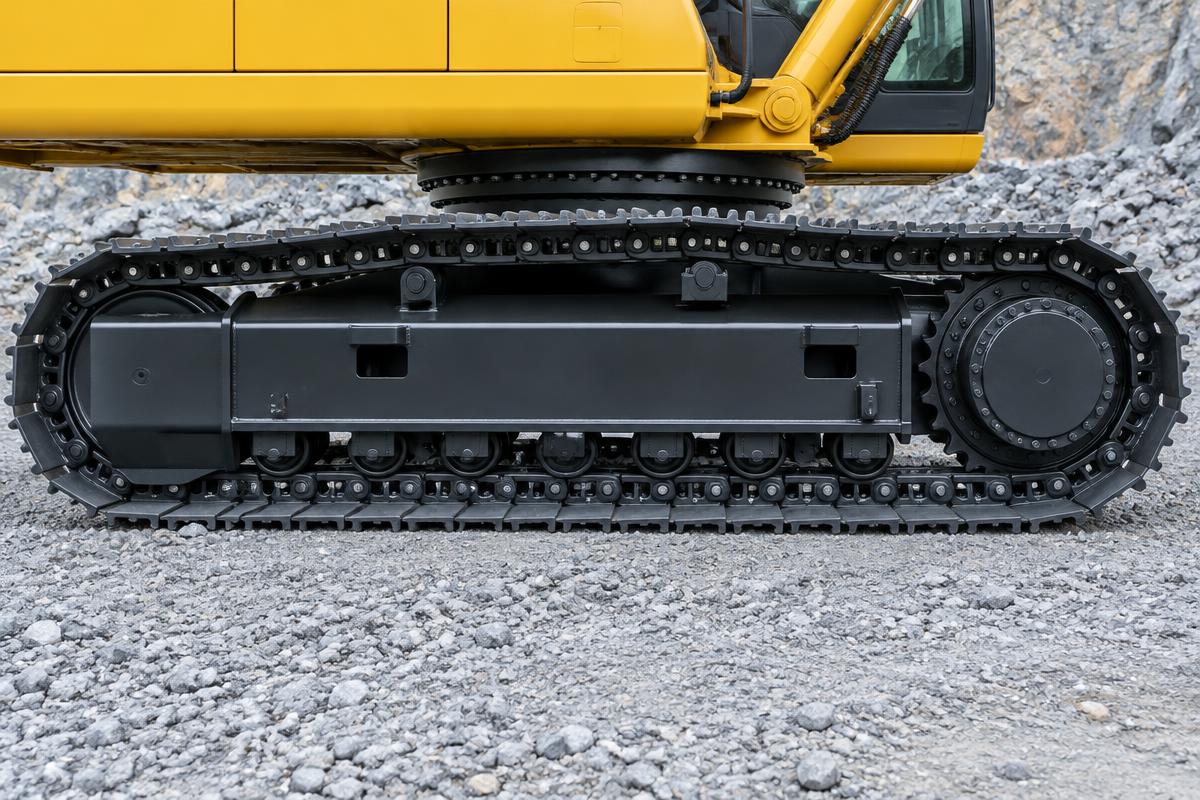
| Track chain | Link height and pin/bush wear | Model-specific OEM limits |
| Track rollers | Running surface wear and seal condition | Model-specific OEM limits |
| Sprocket | Tooth profile and engagement | Model-specific OEM limits |
| Track shoes | Cracks, fasteners and grouser wear | Model-specific OEM limits |
General educational guidance, not a machine-specific service specification. OEM instructions and qualified technicians take precedence. Images are illustrative.