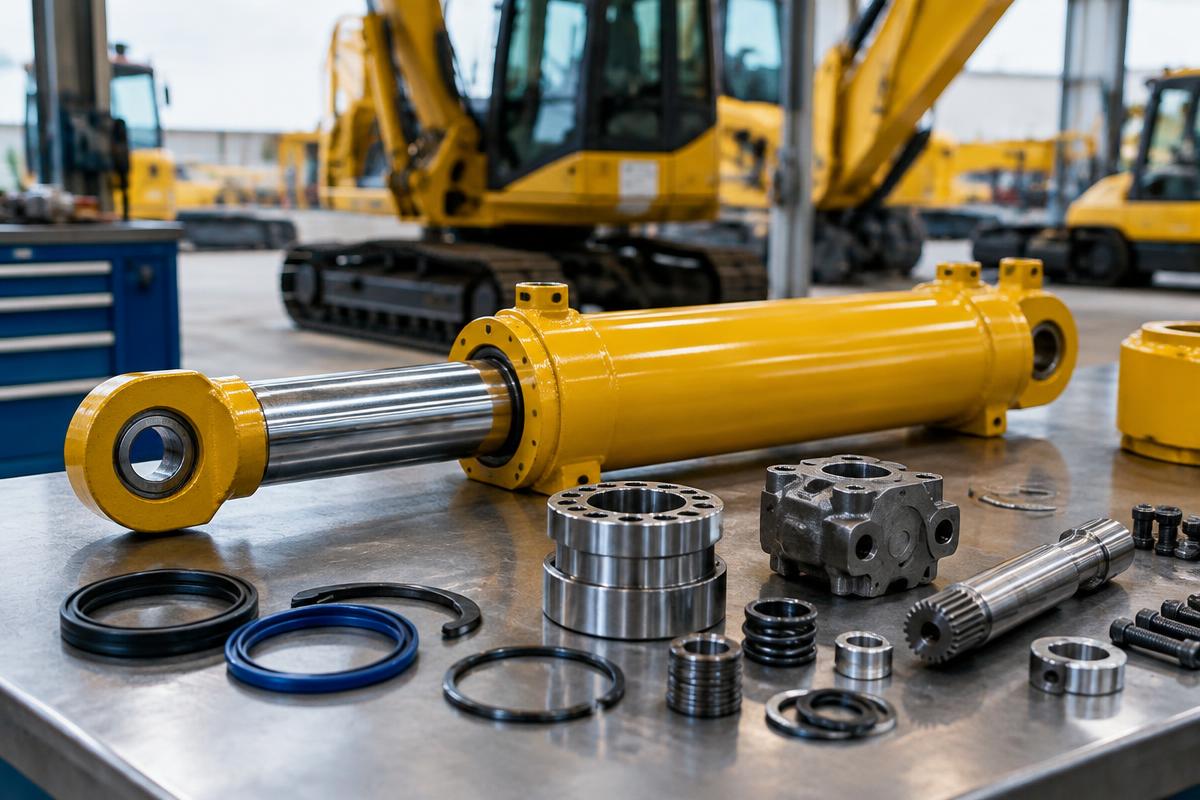
Clean oil and sound seals are essential to hydraulic reliability. Small changes in sound, temperature or performance can be early signs that an inspection is needed.
01 / Look for changes, not just leaks
Compare operating performance against the normal baseline for the machine. Slow cycles and abnormal noise warrant a qualified assessment.
- Check oil level using the OEM procedure.
- Inspect hoses for rubbing and damage.
- Record unusual heat or noise.
02 / Keep contamination out
Use approved fluids and clean handling equipment. Hydraulic systems can retain dangerous pressure even when stopped. Never search for a leak with your hand.
- Follow the isolation and depressurisation procedure.
- Keep ports capped during repairs.
- Follow model-specific filter and sampling intervals.
Good maintenance starts with a clean inspection, reliable measurements, and the right parts for the machine.
Inspection reference
| Component | Record during inspection | Reference |
|---|---|---|
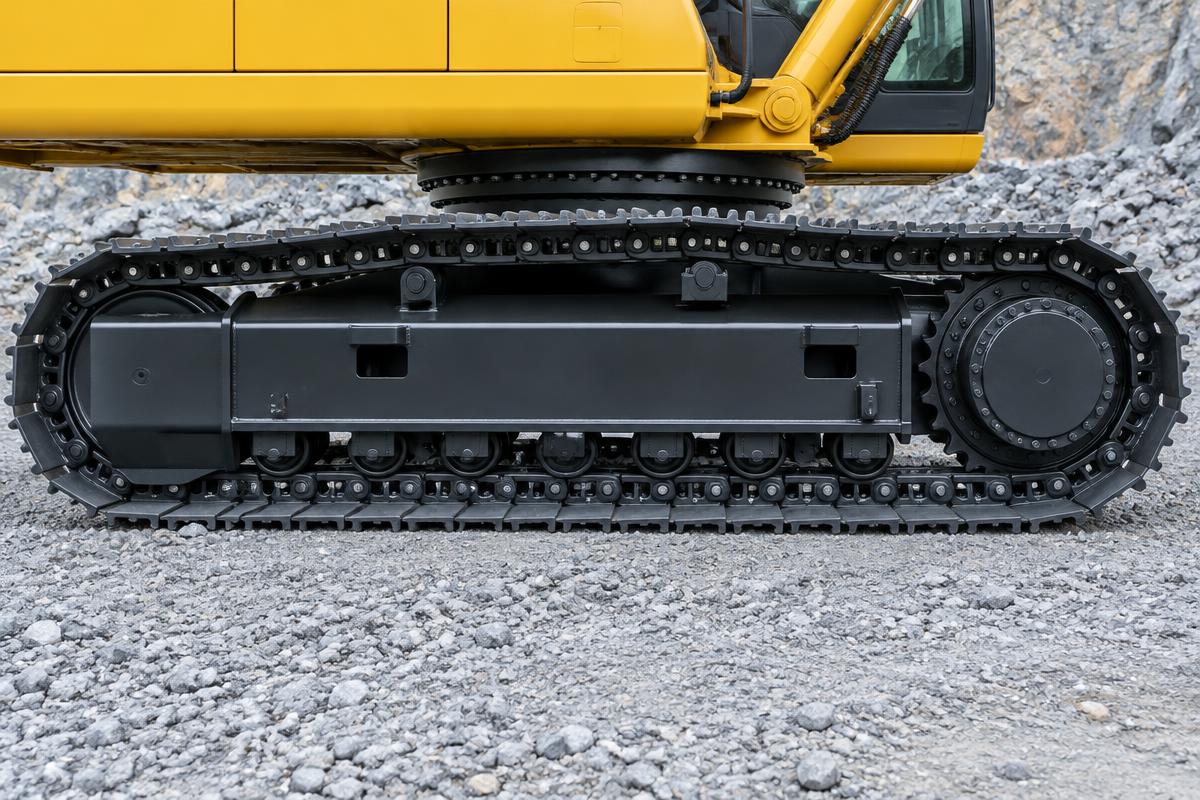
| Track chain | Link height and pin/bush wear | Model-specific OEM limits |
| Track rollers | Running surface wear and seal condition | Model-specific OEM limits |
| Sprocket | Tooth profile and engagement | Model-specific OEM limits |
| Track shoes | Cracks, fasteners and grouser wear | Model-specific OEM limits |
General educational guidance, not a machine-specific service specification. OEM instructions and qualified technicians take precedence. Images are illustrative.