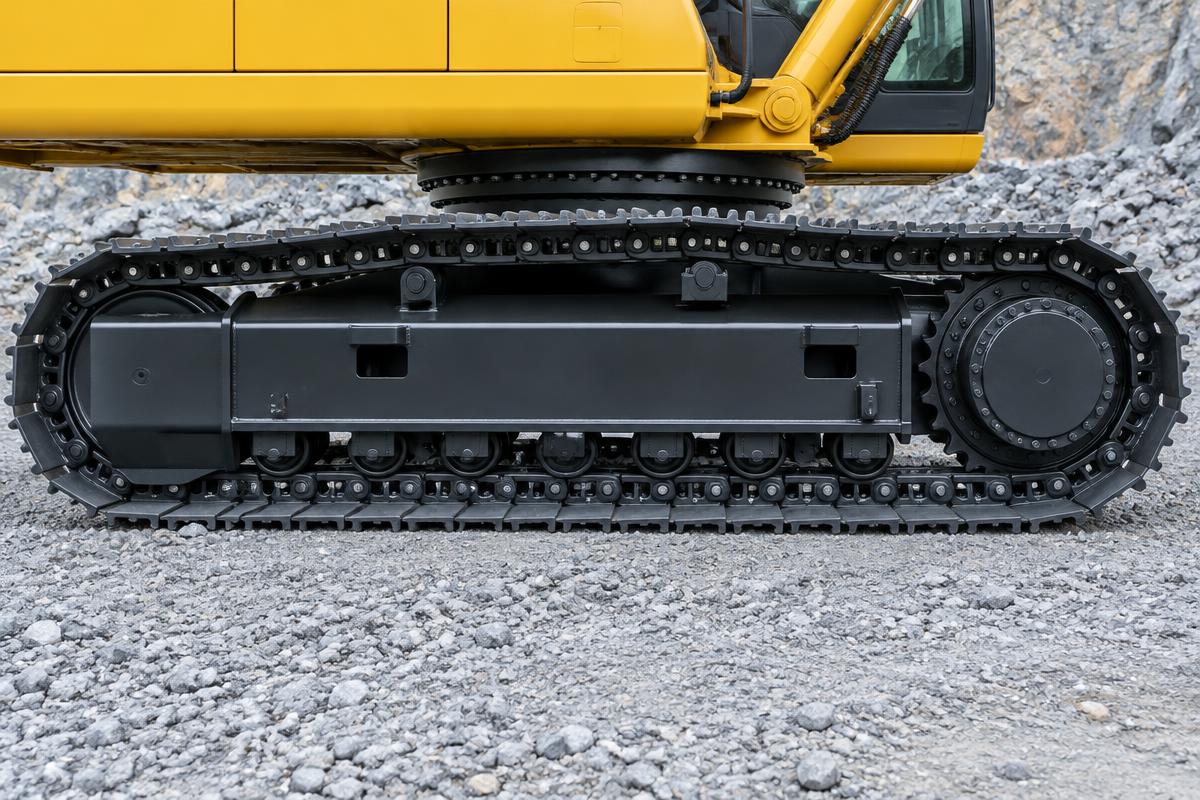
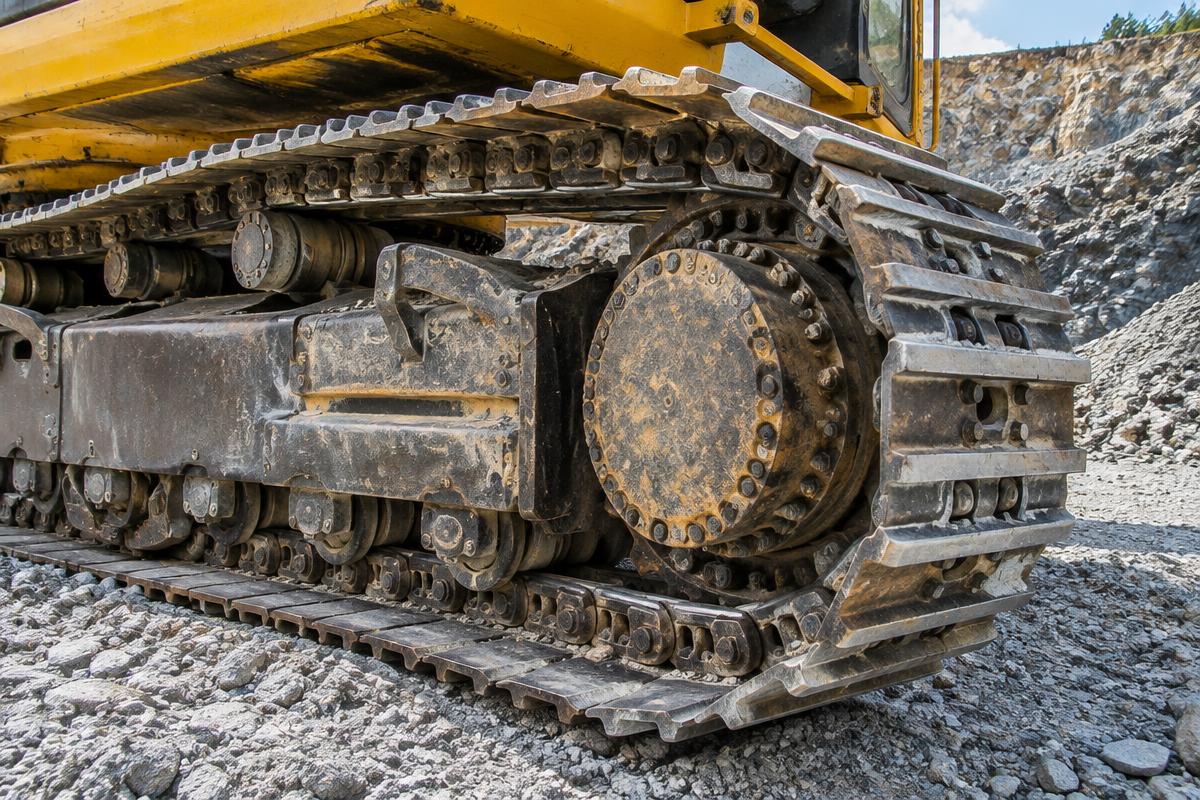
Rollers support the machine and guide the track chain. Their condition should be assessed alongside the complete undercarriage, not in isolation.
01 / A systematic roller inspection
Check for leakage, flange wear and uneven running surfaces. Unusual resistance or noise should be assessed by a qualified technician.
- Inspect seal areas for leakage.
- Compare running surfaces on both track groups.
- Record dimensions against OEM wear limits.
02 / Choose a compatible replacement
Roller design, mounting and machine configuration vary. Verify the part with machine serial data rather than appearance alone.
- Confirm mounting and flange configuration.
- Inspect fasteners and track frame condition.
- Follow OEM installation requirements.
Good maintenance starts with a clean inspection, reliable measurements, and the right parts for the machine.
Inspection reference
| Component | Record during inspection | Reference |
|---|---|---|
| Track chain | Link height and pin/bush wear | Model-specific OEM limits |
| Track rollers | Running surface wear and seal condition | Model-specific OEM limits |
| Sprocket | Tooth profile and engagement | Model-specific OEM limits |
| Track shoes | Cracks, fasteners and grouser wear | Model-specific OEM limits |
General educational guidance, not a machine-specific service specification. OEM instructions and qualified technicians take precedence. Images are illustrative.