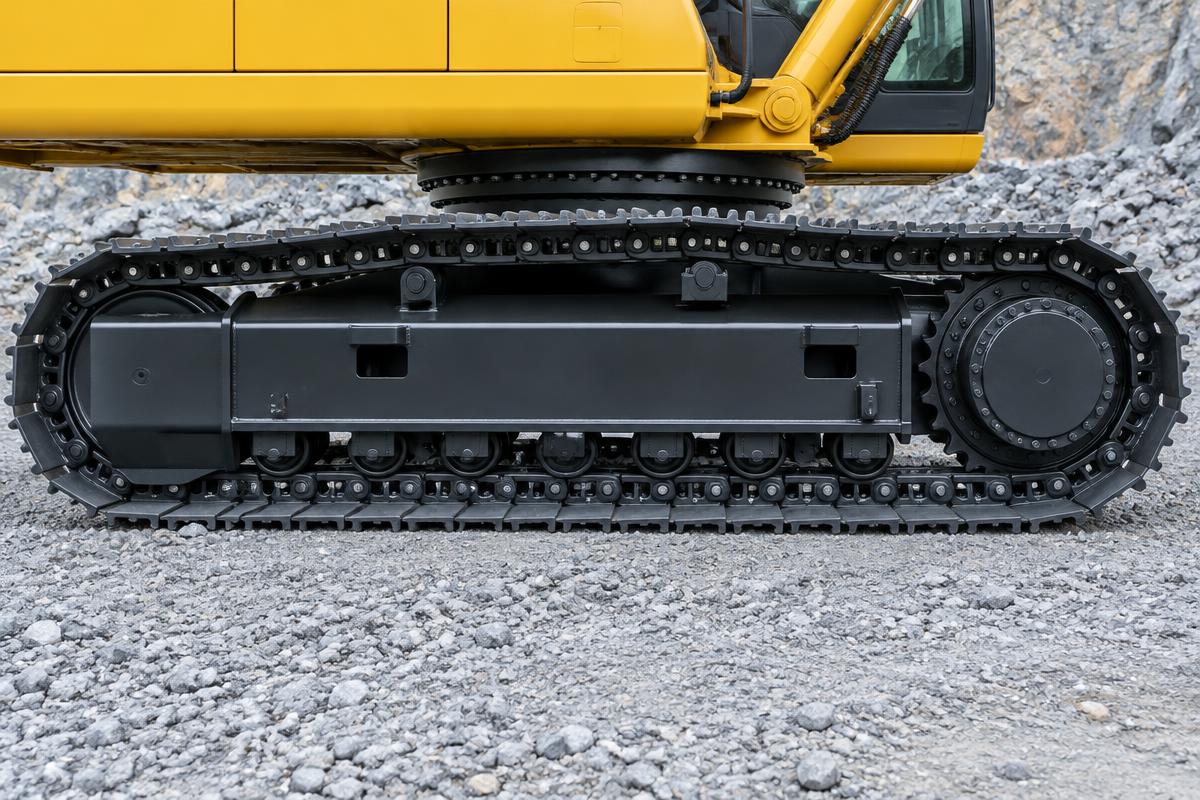
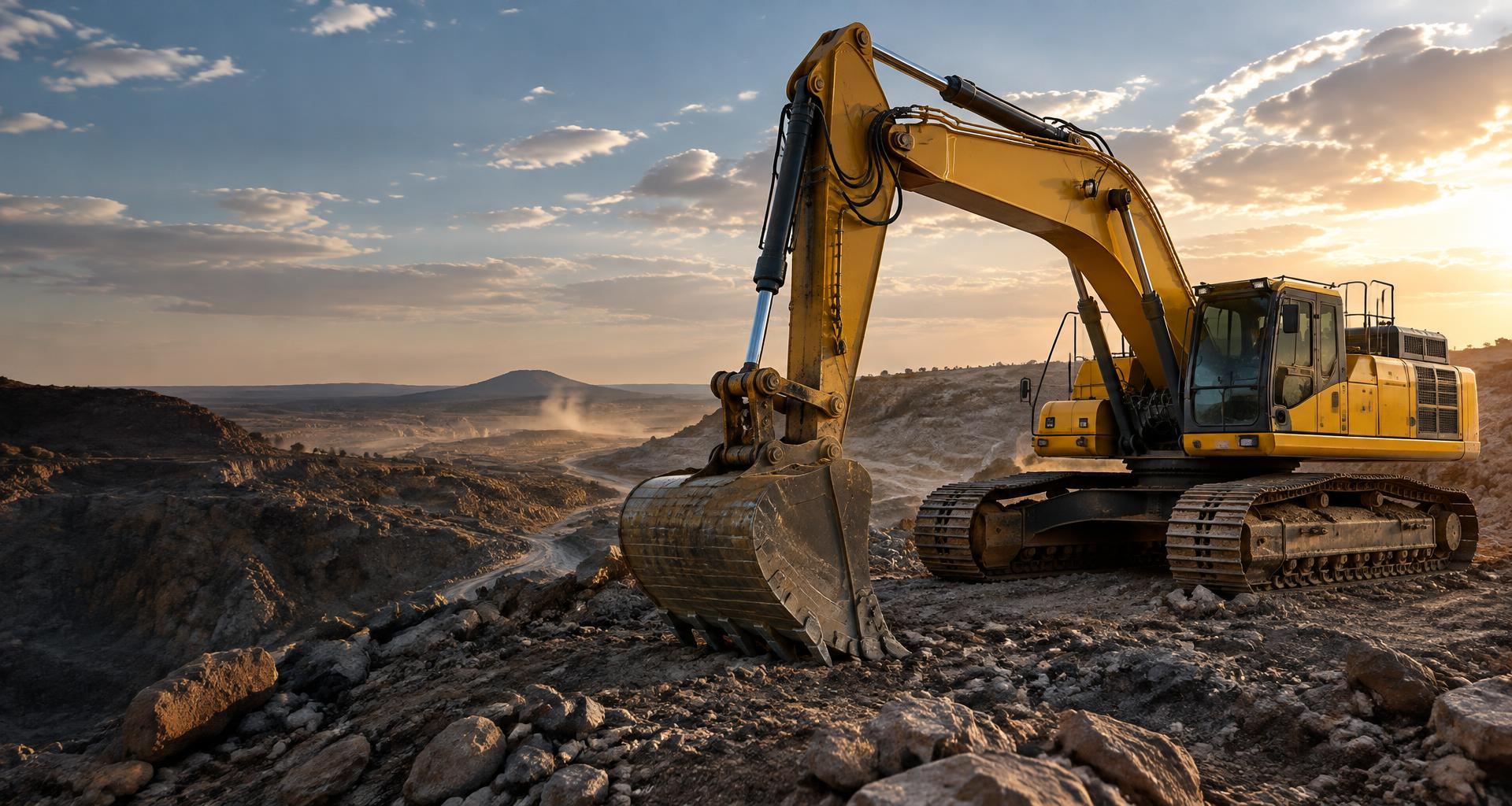
A deliberate walk-around before each shift helps operators spot developing problems. Combine these general checks with the exact requirements in your machine operator manual.
01 / Before starting the machine
Park on stable ground, check the surrounding area and inspect the machine while isolated. Report safety-critical defects before operation.
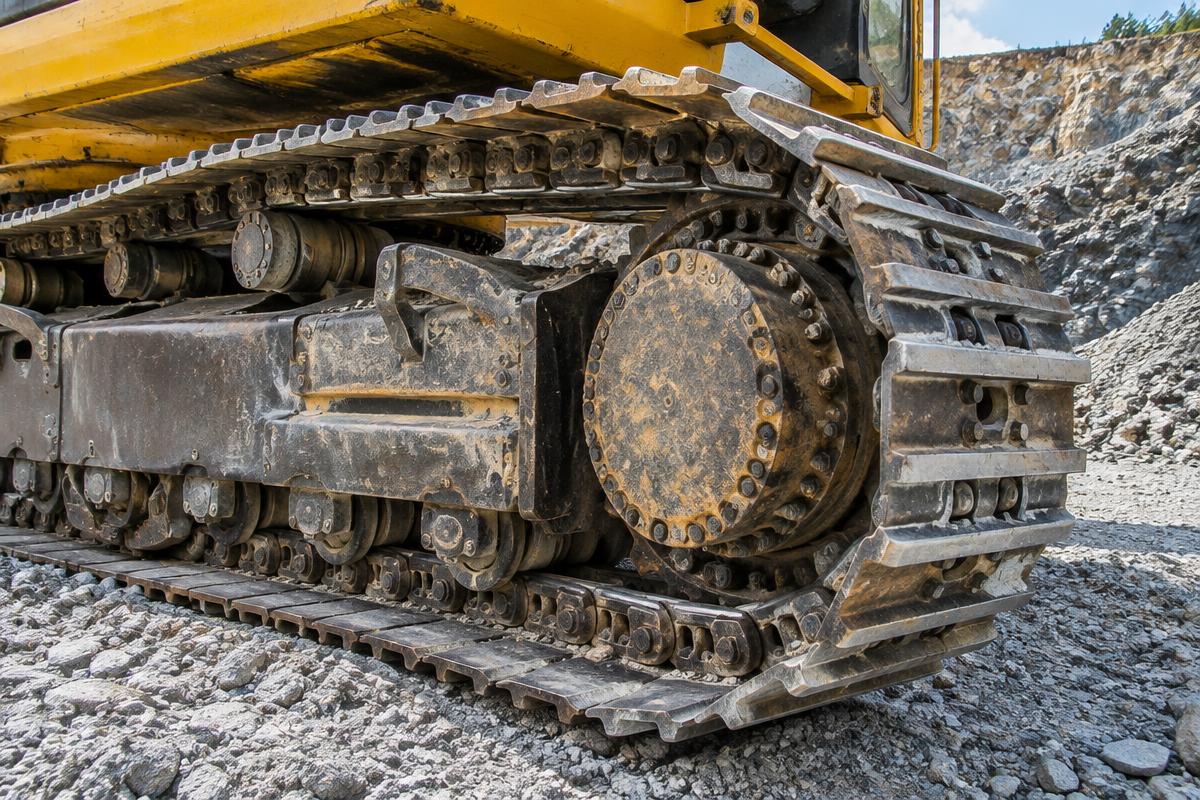
- Inspect tracks, steps and handrails.
- Check fluid levels and visible leaks.
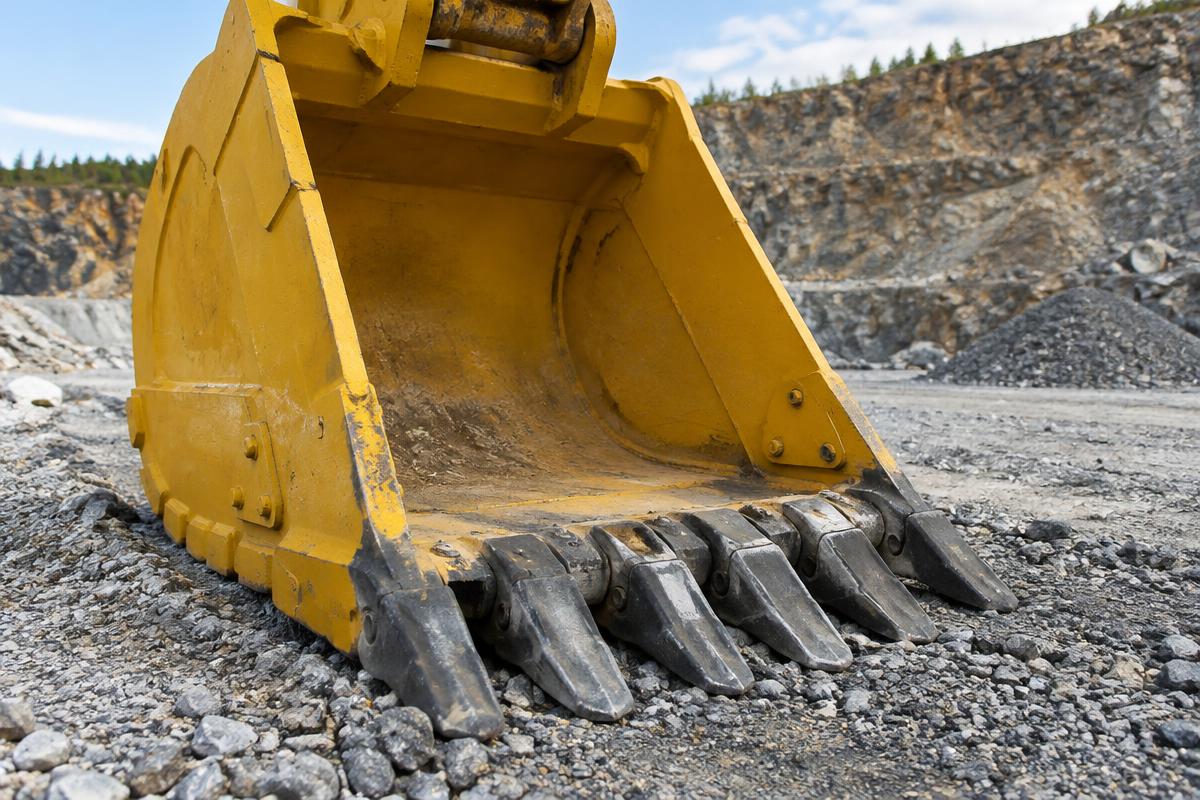
- Inspect bucket pins, teeth and retaining hardware.
02 / Record and follow up
An inspection is only useful when defects reach the maintenance team. Keep a dated record with photographs and machine hours.
- Log defects clearly.
- Confirm repairs before the next shift.
- Use OEM intervals for lubrication and service.
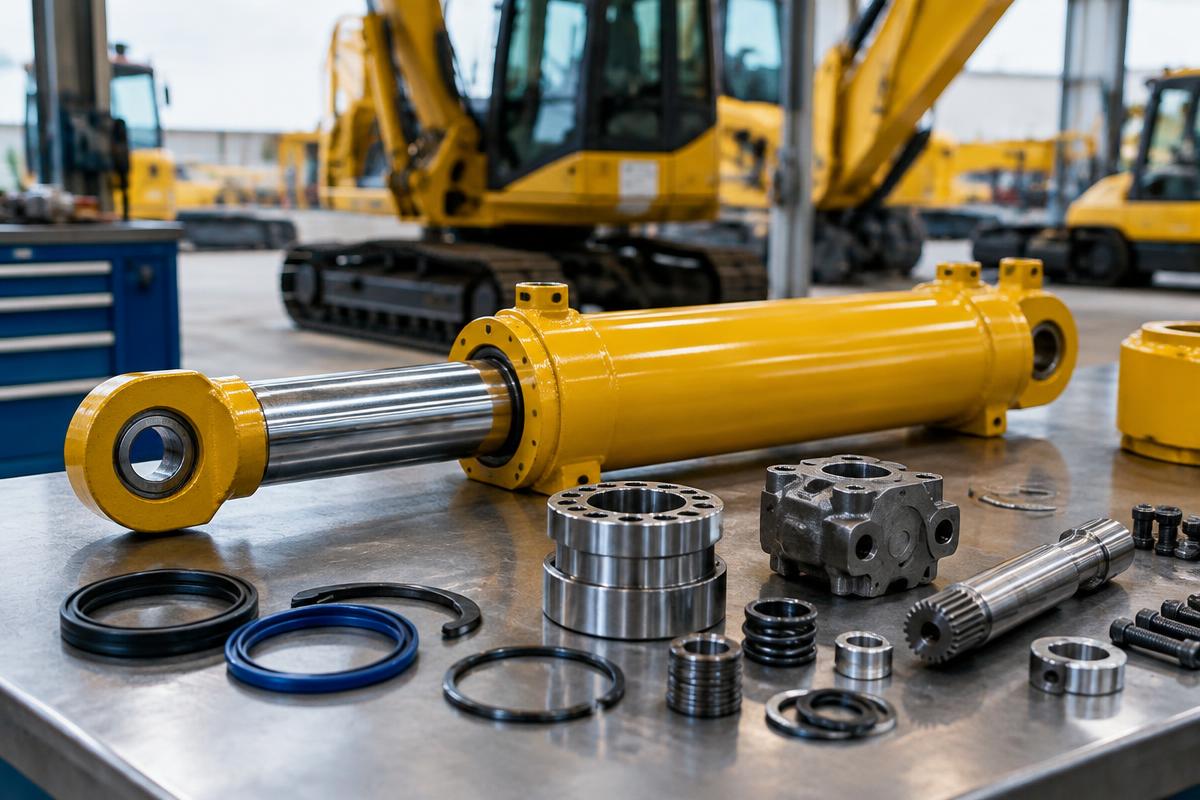
Good maintenance starts with a clean inspection, reliable measurements, and the right parts for the machine.
Inspection reference
| Component | Record during inspection | Reference |
|---|---|---|
| Track chain | Link height and pin/bush wear | Model-specific OEM limits |
| Track rollers | Running surface wear and seal condition | Model-specific OEM limits |
| Sprocket | Tooth profile and engagement | Model-specific OEM limits |
| Track shoes | Cracks, fasteners and grouser wear | Model-specific OEM limits |
General educational guidance, not a machine-specific service specification. OEM instructions and qualified technicians take precedence. Images are illustrative.